
Your most trusted ophthalmologist in Middletown, CT
We protect your long-term vision through advanced diagnostics and hands-on care
See your world with comfort and confidence
Choosing the right eye doctor makes a world of difference in how you see and feel. When you visit our ophthalmologist in Middletown, CT, you can expect care that’s not only skilled but genuinely supportive. We take the time to understand your concerns, explain your options clearly, and create a plan that feels right for you. From routine exams to surgical needs and long-term condition management, our team is here to guide you with kindness, expertise, and a commitment to your best possible vision.
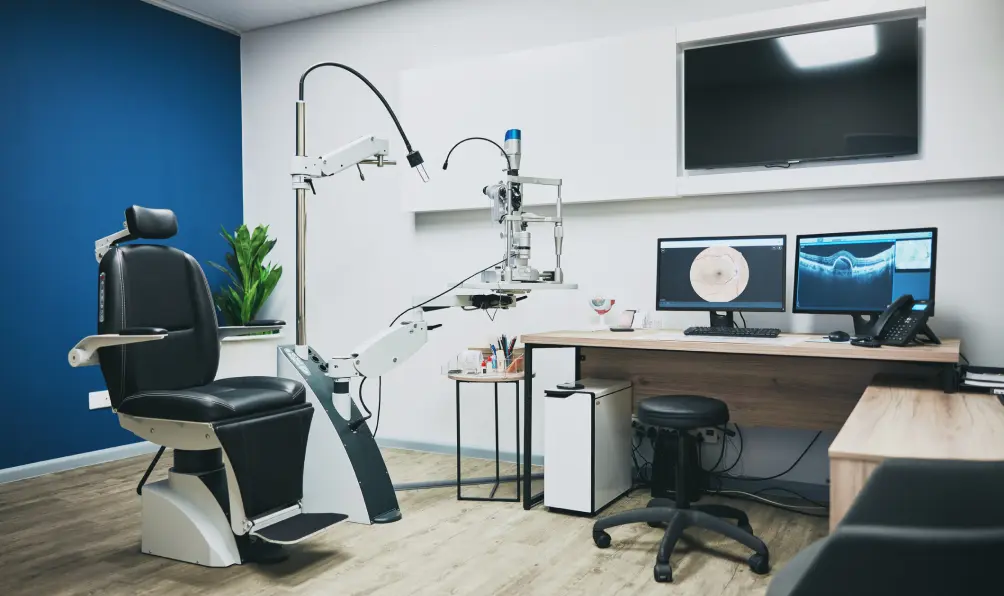
Why choose our ophthalmologist in Middletown, CT?
Our Middletown team offers a blend of experience, compassion, and cutting-edge technology. You can rely on us for:

-
Experienced physicians
Our doctors bring years of training and clinical expertise to every appointment. -
Comprehensive exams
We provide thorough evaluations to detect vision changes and eye conditions early. -
Advanced diagnostics
Modern testing tools allow us to assess your eye health with precision and accuracy. -
Personalized care plans
Every recommendation is tailored to your needs, lifestyle, and long-term vision goals. -
Top-notch local care
Receive trusted, high-quality eye care conveniently close to home.
Find the eye care solutions that fit your needs
Frequently asked questions
What conditions can your ophthalmologist in Middletown, CT, treat?
Our ophthalmologist at Connecticut Eye Physicians is a medical doctor trained to diagnose, manage, and treat a wide range of eye conditions. This includes cataracts, glaucoma, macular degeneration, diabetic eye disease, dry eye, corneal disorders, and more complex issues that may require medication, laser procedures, or surgery.
How do I know if I need eye surgery or a different type of treatment?
Your doctor will walk you through all available options after a detailed eye exam. Many conditions can be managed with conservative treatments such as medications, glasses, or in-office procedures.
If surgery is recommended, you’ll receive a clear explanation of why it’s necessary, what to expect, and how it can improve your vision or comfort. You will always have time to ask questions at any stage to make an informed decision about your eye care.
How often should I come in for a comprehensive eye exam?
For most adults, a comprehensive eye exam every one to two years helps maintain healthy vision and identify concerns early. However, if you have diabetes, a history of eye disease, or ongoing vision problems, your doctor may recommend more frequent visits. Children and seniors often benefit from routine checks as part of their long-term eye health.
What’s the difference between an optometrist and an ophthalmologist?
Optometrists provide routine eye exams, prescribe glasses and contact lenses, and diagnose many common eye conditions.
Ophthalmologists are medical doctors who can perform surgery, manage complex diseases, and treat more advanced conditions.
Both play important roles in eye care, and many patients benefit from seeing each for different needs throughout their lives.
What should I bring to my first appointment?
Please bring your current glasses or contact lenses, a list of medications, insurance information, and any previous eye records if available. You can find everything you need on our Before You Visit page, including patient forms, helpful instructions, and details that make check-in faster and easier. Our staff will guide you through the check-in process to make your first visit smooth and stress-free.
Do you accept insurance for appointments and procedures?
Yes. Our practice accepts various insurance plans for exams, evaluations, and many treatments. Because coverage can vary depending on the plan and the type of service, our staff is happy to review your benefits, answer questions, and help you understand what is covered before your visit.
What can I expect during my first visit?
Your first appointment typically includes a detailed conversation about your medical and vision history, followed by a comprehensive eye exam. Our team may test your vision, check your eye pressure, evaluate your eye muscles, and examine the health of the front and back of your eyes. Your doctor will explain all findings, discuss next steps, and recommend a personalized plan.